

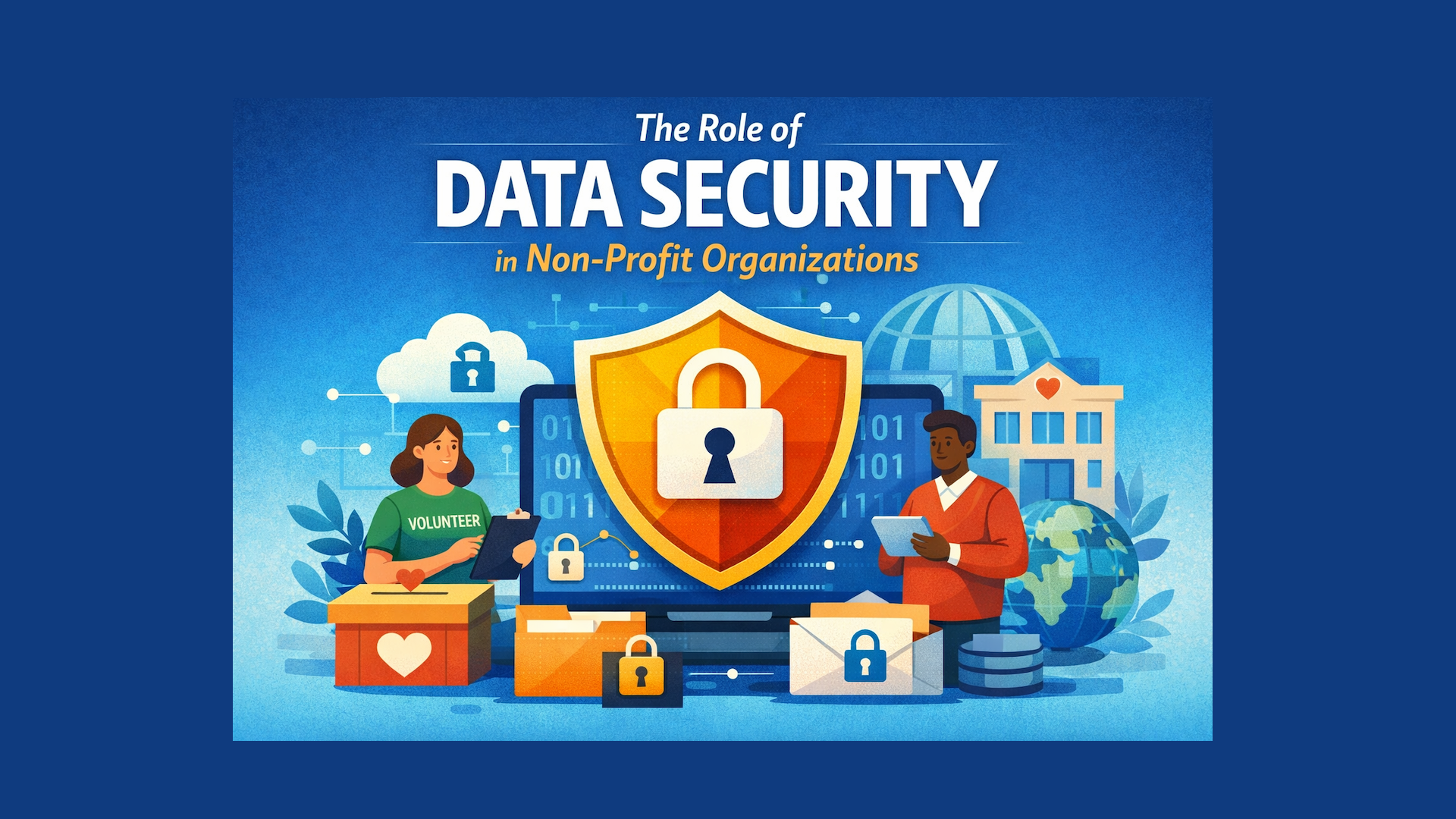
The Role of Data Security in Non-Profit Organizations
- Web Development
-

By Jaydeep
- December 23, 2025
Non-profit organizations work to make the world better. To do this work, they collect and store important information—about donors, volunteers, staff, and the people they serve. This information must be kept safe. Data security for non-profit organizations is not just a technical task. It is a responsibility that protects trust, follows the law, and keeps the mission alive.
This guide explains why data security matters for nonprofits, what risks they face, and how they can protect sensitive data.
What Is Data Security in a Non-Profit Organization?
Data security means protecting digital and physical information from being stolen, misused, or lost.
For nonprofits, this includes:
- Donor names, emails, and payment details
- Beneficiary records (health, identity, location)
- Financial reports and grant documents
- Employee and volunteer information
- Login details for systems and software
Good nonprofit data protection makes sure only the right people can access the right data, at the right time, for the right reason.
Why Data Security Is So Important for Nonprofits
1. It Builds and Maintains Donor Trust
Donors share personal and financial details because they trust the organization. If data is stolen or leaked, that trust can be lost quickly. Strong donor data protection shows supporters that their information is handled responsibly. This helps nonprofits keep long-term donors and attract new ones.
2. It Protects Vulnerable People
Many nonprofits serve children, elderly people, refugees, patients, or low-income communities. If their data is exposed, it can lead to identity theft, fraud, or even physical harm. Cybersecurity for nonprofits helps protect these vulnerable groups from real-world risks.
3. It Ensures Legal and Regulatory Compliance
Nonprofits must follow data protection laws, depending on where they operate and who they serve. Common examples include:
- GDPR compliance for nonprofits (for data linked to people in the EU)
- HIPAA compliance for nonprofits (for health-related data in the U.S.)
- Financial record and audit requirements
Failing to comply can lead to fines, legal action, and loss of funding.
4. It Protects the Organization’s Mission
A cyberattack can shut down systems, lock files with ransomware, or delete critical records. When this happens, programs stop and services are delayed. Strong nonprofit cybersecurity best practices help organizations stay focused on their mission instead of dealing with crises.
What Types of Data Do Nonprofits Handle?
Understanding what data you have is the first step in protecting it.
Common Types of Nonprofit Data
- Donor data: names, emails, donation history, payment methods
- Beneficiary data: personal details, case notes, health or location data
- Financial data: bank details, tax records, grant agreements
- Staff and volunteer data: IDs, contracts, contact information
- System data: passwords, CRM access, cloud storage files
Each type needs a different level of protection, based on how sensitive it is.
Common Data Security Risks for Non-Profit Organizations
Nonprofits are often targeted because they may have limited budgets and smaller IT teams.
Major Risks Include:
- Phishing emails that trick staff into sharing passwords
- Ransomware attacks that lock files and demand payment
- Weak passwords or shared logins
- Unsecured cloud tools and donor databases
- Outdated software with known security flaws
Knowing these risks helps nonprofits plan better defenses.
Essential Data Security Measures Every Nonprofit Should Use
You do not need a large budget to improve security. Start with the basics.
1. Encryption
Use encryption to protect data:
- HTTPS, SSL/TLS for websites
- Encrypted storage for sensitive files
Encryption keeps data unreadable if it is stolen.
2. Access Controls
Limit who can see or edit data. Use role-based access so staff only access what they need.
3. Multi-Factor Authentication (MFA)
Add an extra login step, such as a code sent to a phone. MFA greatly reduces the risk of account takeovers.
4. Regular Data Backups
Back up data often and store copies securely. This helps recover quickly after accidents or attacks.
5. Software Updates and Patching
Keep all systems, plugins, and tools updated. Updates often fix security weaknesses.
Why Staff Training Is a Key Part of Data Security
Technology alone is not enough. People play a big role in security.
What Staff Training Should Cover:
- How to spot phishing emails
- Safe password practices
- How to handle sensitive data
- What to do if something looks suspicious
Regular training reduces human error, which is one of the biggest causes of data breaches.
Data Governance and Leadership Responsibility
Data security is not only an IT issue. Leaders and boards must be involved.
Good Data Governance Includes:
- Clear data privacy and security policies
- Defined roles and responsibilities
- Vendor and third-party risk checks
- Regular reviews and audits
Strong leadership shows commitment to ethical data handling in nonprofits.
How Small Nonprofits Can Improve Data Security on a Budget
Many nonprofits worry about cost, but small steps can make a big difference.
Budget-Friendly Tips:
- Use strong, unique passwords and a password manager
- Enable MFA on all key systems
- Choose trusted cloud services with built-in security
- Use free or low-cost security awareness training
- Focus on protecting the most sensitive data first
Good nonprofit risk management is about smart priorities, not expensive tools.
Best Practices for Long-Term Nonprofit Data Security
To stay secure over time:
- Review security policies yearly
- Test backups and recovery plans
- Securely delete old data and devices
- Monitor systems for unusual activity
- Plan how to respond to a data breach
Security is an ongoing process, not a one-time task.
The Future of Data Security in the Nonprofit Sector
As nonprofits use more digital tools, data security will become even more important. Donors expect transparency, regulators expect compliance, and communities expect protection. Organizations that invest in nonprofit data privacy and security will be better prepared to grow safely and responsibly.
Frequently Asked Questions
Why is data security important for nonprofits?
Data security protects donor trust, keeps sensitive information safe, ensures legal compliance, and prevents disruptions that can harm the nonprofit’s mission.
What data should nonprofits protect the most?
Donor payment details, beneficiary personal records, health information, and financial documents should be top priorities.
Are small nonprofits really at risk of cyberattacks?
Yes. Small nonprofits are often targeted because attackers think they have weaker defenses.
What is the first step to improving nonprofit data security?
Start by knowing what data you collect, where it is stored, and who has access to it.
Can nonprofits meet data security requirements without big budgets?
Yes. Strong passwords, MFA, staff training, and regular updates are low-cost but highly effective steps.
Final Thoughts: Data Security Protects Your Mission
The role of data security in non-profit organizations goes far beyond technology. It protects people, builds trust, and keeps programs running. When nonprofits take data security seriously, they show integrity, responsibility, and care for everyone they serve.
If your nonprofit wants to strengthen its data security, start with a simple assessment of your data, systems, and risks. Investing time in security today helps protect your mission tomorrow.
Get A Quote
Reach Out and Bring Your Visions to Life
Get A Quote
Reach Out and Bring Your Visions to Life